


Is Google Ads Not Performing Like It Used To?
Many business owners are asking the same question:
“Why is Google Ads not performing?”
AI is creating one of the biggest disruptions the digital marketing industry has seen in the last 2 decades, and Google is making major sacrifices to their Google ads platform in order to prove to the world that they can stay on top in the latest generation of AI technology.
As a result, many advertisers are noticing rising costs, less traffic and performance shifts that are becoming harder to ignore.
Customer behavior itself is changing.
How AI Search Hurts Traditional Google Search
Consumers are increasingly using AI tools like ChatGPT, Gemini, Google AI Overviews and other AI-powered search experiences as an alternative to traditional Google search results for a more sophisticated experience.
The internet is shifting away from “search and click” behavior and moving toward “search and answer” behavior. Instead of scrolling through pages of search results, users are expecting direct answers from AI-generated summaries and recommendation engines.
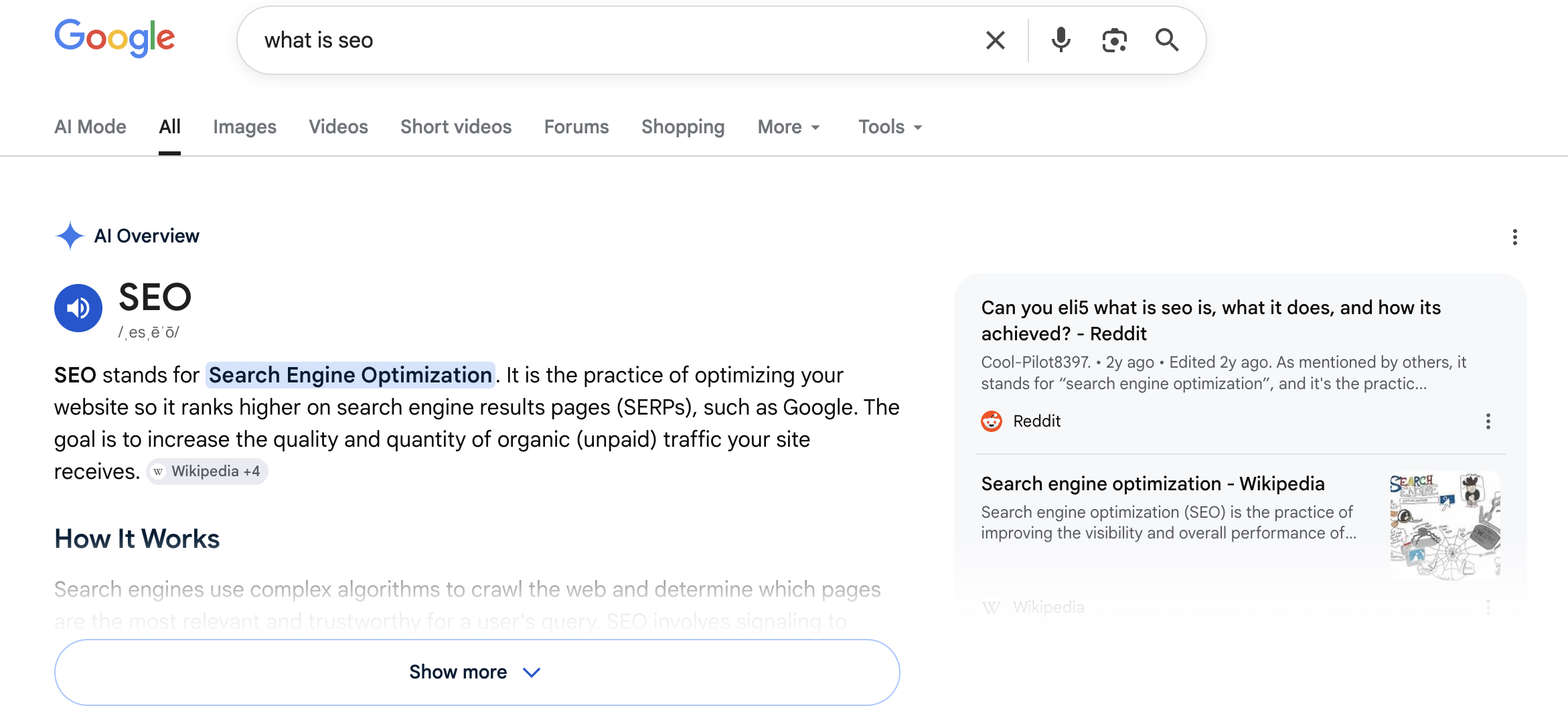
What makes this shift to AI so important is that it is being driven by users themselves. Consumers are changing the way they search, research and make decisions online. People are becoming more comfortable asking AI direct questions instead of sorting through pages of search results. In many cases, they are trusting AI to help them compare businesses, products and services before ever visiting a website.
How Search Behavior Is Changing In The AI Era
Search behavior is changing. The access to knowledge has changed.
For over two decades, internet users were trained to search, scroll and click through websites. Now, users no longer simply want the fastest result, they want the most complete answer possible.
This changes the way businesses earn visibility online. It also changes how traffic flows across the internet.
A Google-first digital marketing strategy was effective two years ago, but now focusing on visibility in the new generation of AI-powered search is vital, and it makes digital marketing much more complicated. It is vital to adapt in this new generation of AI-powered search; A new generation of SEO metrics and tactics must be considered, including:
- Online authority
- Brand trust signals
- Review presence
- Content relevance
- Business listings consistency
- Long-term discoverability across both search engines and AI platforms
This shift is already having a measurable impact across the internet. Many businesses are seeing traffic drops approaching 30% as users get answers directly from AI summaries without ever visiting a website. Some news publishers and content creators are reporting traffic declines as high as 70%.
In many ways, traditional SEO is evolving into something much larger. Businesses are no longer optimizing only for Google rankings, they are now optimizing to become part of AI-generated recommendations and answers.
To be clear, Google Ads is still an effective tool, but should no longer monopolize your digital marketing budget.
AI is Changing More Than Search, It’s Changing Decision Making
Just this quarter, people are now giving agency to their AI with tools like OpenClaw, Claude Desktop, and Chat GPT’s Atlas Web browser.
Consumers are rapidly becoming more comfortable allowing AI to assist with everyday online decisions, and that behavior will likely continue evolving quickly over the next few years.
The internet is entering a very different era than the one businesses have operated in for the past two decades.
What Next for Google Ads and AI-Driven Marketing?
In our next article, we’ll dive deeper into how Google’s priorities are changing, what that means for advertisers and how businesses may need to adapt moving forward.