


What’s Next for Google Ads and AI-Driven Marketing?
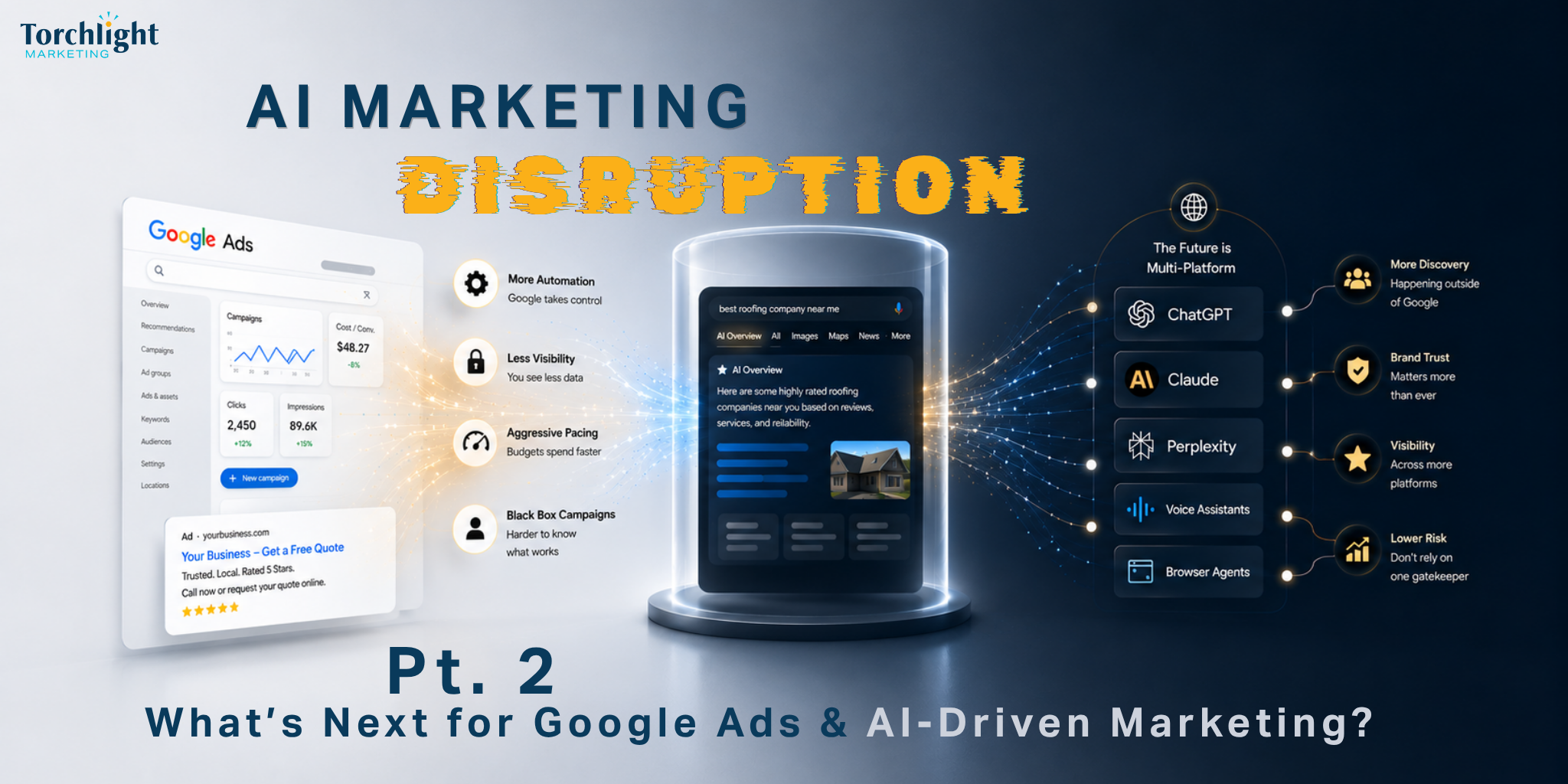
The way users find information online has shifted. They are increasingly turning to AI platforms to research products, compare services, and get instant answers without digging through pages of links. Because of this shift, Google is aggressively changing its 25-year-old business model to protect its search empire.
But as Google rushes to adapt, its priorities are drifting away from the day-to-day needs of its advertisers. For decades, the deal was simple: Google delivered relevant search results, sent that traffic directly to your website, and made money by showing ads along the way. That predictable machine built modern digital marketing, acting like a highway where Google owned the asphalt and businesses paid for the billboards.
Today, Google is under massive pressure from tools like ChatGPT, Claude, and Perplexity. Every minute a user spends inside an isolated AI tool means fewer clicks on traditional search ads. To survive, Google is fighting to keep users locked inside its own digital playground, and business owners need to know exactly how this recalculation impacts their bottom line.
More Automation, Less Control
If you log into your advertising account today, you are likely feeling the friction. Google is taking the steering wheel away from business owners and forcing campaigns onto autopilot. While automated bidding and setup sound efficient on paper, the real-world result is a distinct lack of visibility.
Automated campaign types like Performance Max make it incredibly easy to launch ads, but they hide the underlying data. It is becoming harder to see exactly which search terms or websites are eating up your ad spend. Think of it like handing your car keys to a mechanic who refuses to tell you what he is fixing under the hood while handing you the bill.
To make matters more unpredictable, recent updates to automated spend systems mean Google is pacing budgets far more aggressively during peak days. When the algorithm takes complete control of the throttle, maintaining a consistent cost-per-lead becomes a moving target.
The Destination, Not the Bridge
Google used to act like a bridge designed to connect users to your website. Today, the platform is trying to become the final destination. The rapid rollout of AI Overviews at scale is the clearest evidence of this shift.
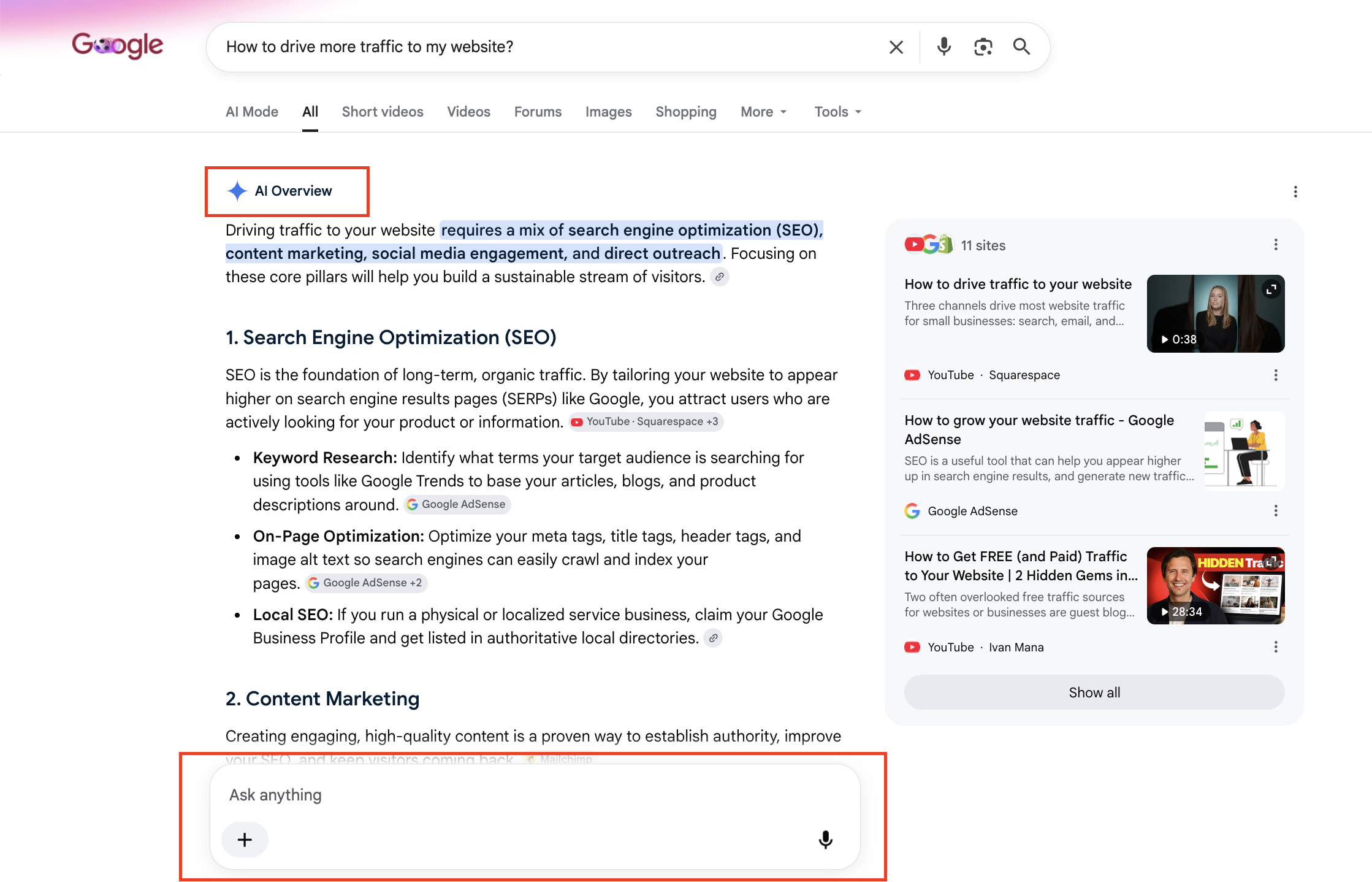
When a user asks a complex question, Google’s AI summarizes the answer right on the search results page. The user gets the information they need and leaves without ever clicking through to a third-party site. This creates the “zero-click search.”
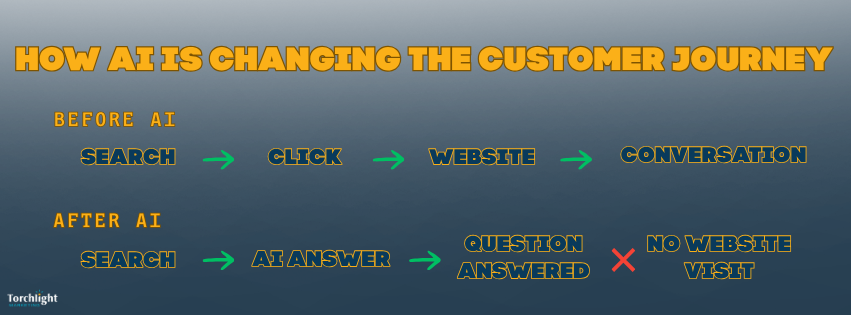
Even if your website maintains its top rankings, your organic traffic volume will still take a hit because Google stops the click before it happens. When you lose the click, you lose the ability to track user behavior, capture form fills, and accurately measure your return on investment. Your digital storefront didn’t get worse; Google simply rerouted the highway.
Paid Ads Are Still Your Engine
Does this mean you should pull the plug on Google Ads? Absolutely not. Pulling your paid campaigns out of frustration would be a massive mistake for your pipeline.
Think of Google Ads like an Uber driver with a sports car. It remains the fastest way to drive immediate traffic and secure buyers who are ready to make a decision today. But even sports car brands fall out of fashion.
If you rely 100% on paid ads while Google changes the rules of the track, your acquisition costs will inevitably climb. Don’t abandon your car,instead, invest in another vehicle for more resilience by pairing your paid spend with a strategy built for the AI landscape.
NextGen SEO: Building Your Digital Credit Score
To protect businesses from getting squeezed by rising ad costs, marketing strategies must expand beyond traditional search. In addition to advertising, we focus on a dual offense called NextGen SEO, which treats your online presence like an unshakeable digital credit score.
When an AI engine searches the web to recommend a local provider, it does not just look for keywords on a single page. It scans the entire internet for trust signals, consistent data, and strong authority. If your digital footprint is messy or fragmented, the AI rejects your business just like a business passed on a job application.
To ensure AI engines trust and recommend your brand, optimization must focus on multiple frameworks to stay highly visible. The two most commonly cited are:
- Generative Engine Optimization (GEO): This involves restructuring the backend of your website using clean schema code. It acts as a translator for AI crawlers, helping tools like Perplexity pull your business data cleanly into their summaries.
- Answer Engine Optimization (AEO): Instead of writing generic articles, you must build authoritative, structured assets designed to serve as the direct answer to complex user questions.
This means visibility is no longer just about your website. It is about managing your entire digital ecosystem, including reviews, citations, digital PR, and authority signals across the web. You must ensure your business is visible everywhere the AI looks.
The Future is Multi-Platform
Google was the monopoly, but the future of digital visibility belongs to a wide network of platforms, including ChatGPT, Claude, voice assistants, and browser agents navigating the web on behalf of users. Relying entirely on a single gatekeeper is an unnecessary risk to your business stability.
The businesses that adapt to this multi-platform landscape early will secure a major competitive advantage, while the rest will spend the next few years playing catch-up.
If you want to look under the hood of your current digital campaigns and see how your business can adapt to the next generation of AI-driven search, reach out to Torchlight Marketing to schedule a straightforward strategy conversation.